Home Improvement

Kitchen Renovation Guide: Planning, Budgeting, and Designing a Space That Works

Kitchen Renovation

Walk into your kitchen right now and look around. Notice the cabinets, the counters, the lighting. Think about how many times a day you step into that space. Morning coffee. Quick lunches. Late night snacks. Family dinners. Conversations that stretch longer than the meal itself.

The kitchen is more than a place to cook. It is where routines begin and end. It is where guests gather without being invited to. When it feels outdated, cramped, or inefficient, that discomfort shows up daily. Kitchen Renovation is not just about style. It is about improving how your home functions and how you feel in it.

Renovating a kitchen can seem overwhelming at first. There are choices to make, budgets to consider, and timelines to manage. With clear planning and realistic expectations, the process becomes far more manageable and far more rewarding.

Understanding Your Goals Before You Start

Before picking out finishes or comparing appliance models, it helps to define your purpose. Ask yourself what is not working in your current kitchen. Is there not enough storage. Does the layout create traffic jams. Are the cabinets worn or the counters damaged.

Some homeowners renovate for aesthetics. Others need better functionality. Many want both. Being honest about priorities keeps the project focused and prevents unnecessary spending.

If you love to cook, workspace and appliance quality may matter most. If your kitchen doubles as a social hub, seating and open sightlines might be the priority. A family with young children may value durable materials and easy cleaning above all else.

Clear goals guide every decision that follows. Without them, it is easy to get distracted by trends that may not fit your lifestyle.

Budgeting Realistically for a Kitchen Renovation

Budget is often the biggest source of stress in any renovation. Kitchen projects involve cabinetry, countertops, flooring, appliances, lighting, plumbing, and electrical work. Costs can add up quickly.

Start by determining what you are comfortable spending overall. From there, allocate funds across major categories. Cabinets often represent a large portion of the budget. Countertops and appliances also require significant investment.

It is wise to build in a contingency amount for unexpected issues. Once walls are opened, hidden plumbing or wiring problems may surface. Planning for surprises reduces financial pressure if they arise.

Not every renovation requires a full overhaul. Some kitchens benefit from a cabinet refacing, updated hardware, and new lighting rather than complete replacement. Thoughtful updates can dramatically change the look and feel without reaching the highest price range.

Being realistic about finances allows you to make confident decisions instead of reacting under pressure.

Designing a Layout That Supports Daily Life

A beautiful kitchen that functions poorly will quickly become frustrating. Layout is the foundation of good design.

The concept of the work triangle remains useful. This refers to the relationship between the sink, stove, and refrigerator. Keeping these areas within comfortable reach improves efficiency. At the same time, modern kitchens often include additional work zones such as prep areas, coffee stations, or baking corners.

Consider traffic flow carefully. People should be able to move through the kitchen without interrupting the cook. If the space connects to dining or living areas, make sure pathways feel natural rather than cramped.

Storage planning deserves equal attention. Deep drawers for pots, vertical dividers for baking sheets, and dedicated pantry space reduce clutter. Think about what you use most often and design around those habits.

Islands can add workspace and seating, but they need enough clearance around them. Squeezing an island into a small room can make the space feel tight rather than improved.

Function first, then style. When layout supports daily routines, everything else becomes easier.

Choosing Materials That Balance Beauty and Durability

Material selection shapes both the appearance and longevity of your kitchen. Surfaces must handle heat, moisture, and constant use.

Countertops come in a wide range of options, each with advantages and tradeoffs. Some homeowners prefer natural stone for its unique patterns. Others choose engineered surfaces for consistency and low maintenance. Consider how much upkeep you are willing to manage.

Cabinet materials affect durability and cost. Solid wood offers strength and a timeless look. Engineered materials can provide affordability and resistance to warping. The finish you select influences both style and cleaning ease.

Flooring must withstand spills and heavy foot traffic. Hard surfaces are popular for their durability and simple maintenance. Comfort underfoot is another factor, especially for those who spend long periods cooking.

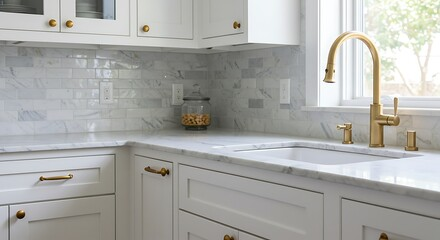
Backsplashes offer an opportunity for personality. They protect walls from splashes while adding visual interest. Whether subtle or bold, the backsplash ties together cabinetry and countertops.

Choose materials that suit your lifestyle, not just current trends. A practical choice you appreciate daily is far more satisfying than a stylish one that demands constant care.

Lighting: The Often Overlooked Element

Lighting can transform a kitchen more dramatically than many expect. Poor lighting makes even a renovated space feel dull and cramped.

A well designed kitchen uses layers of light. General lighting brightens the entire room. Task lighting illuminates work areas such as countertops and sinks. Accent lighting highlights architectural features or display shelves.

Under cabinet lighting is especially effective. It reduces shadows on counters and creates a warm atmosphere in the evening. Pendant fixtures over islands add both style and focused illumination.

Natural light should also be considered. If windows are part of the design, avoid blocking them with bulky cabinets. Reflective surfaces can help distribute daylight throughout the space.

Lighting influences mood as much as function. A kitchen that feels bright and inviting encourages people to linger and enjoy the space.

Managing the Renovation Process

Even with careful planning, renovation can disrupt daily life. Preparing mentally and practically makes the experience smoother.

Decide whether you will stay in your home during the project. If so, set up a temporary cooking area elsewhere. A small table with a microwave, toaster oven, and coffee maker can make a big difference.

Clear communication with contractors is essential. Establish timelines and discuss expectations before work begins. Ask questions when something is unclear. Regular updates help prevent misunderstandings.

Be patient with the process. Delays can happen due to material availability or unforeseen structural issues. Flexibility reduces frustration when plans shift slightly.

Take progress photos along the way. Watching the transformation unfold can help you stay motivated during messy phases.

Remember that renovation is temporary. The inconvenience fades, but the results remain for years.

Adding Personal Touches That Make the Space Yours

Once major elements are in place, personal details bring the kitchen to life. Hardware, paint color, open shelving, and decor reflect your taste.

Bar stools at an island can introduce texture or contrast. Simple plants near a window add warmth and freshness. Artwork or decorative bowls create a lived in feel.

Think about how you entertain. If you host frequently, include serving space or beverage storage. If you prefer quiet mornings, design a cozy corner for coffee.

Personalization should feel intentional rather than crowded. A few meaningful touches often have greater impact than excessive decoration.

The goal is a kitchen that feels uniquely yours while still functioning smoothly.

Conclusion: A Renovation That Supports Everyday Living

Kitchen renovation is not just a construction project. It is an opportunity to reshape how one of the most important rooms in your home works and feels. From defining goals and setting a realistic budget to choosing materials and refining layout, each decision contributes to the final outcome.

A well planned renovation enhances efficiency, comfort, and enjoyment. It makes cooking easier, gatherings more relaxed, and daily routines more pleasant. While the process requires patience and investment, the reward is a space that supports your life in practical and meaningful ways.

When done thoughtfully, a kitchen renovation becomes more than an upgrade. It becomes a long term improvement that you experience every single day.

Home Improvement

Cabinet Refinishing Revives Your Cabinets and Gives Them a New Look

Cabinet Refinishing is a process that revitalizes your existing cabinets and gives them a new look. It’s also more environmentally friendly than a full kitchen remodel, which adds waste and creates a construction zone in your home.

Cabinet Refinishing

Harsh chemicals and cleaning products will damage refinished wood, so you need to follow strict maintenance tips to protect your investment. This will ensure that your new finish looks great for years to come.

Cabinet refinishing involves keeping the existing cabinets and applying a fresh new coat of stain or paint. This approach is significantly less expensive than a full replacement, and it allows homeowners to update their kitchens without breaking the bank.

Refinishing is also a more environmentally friendly option. Replacing cabinets creates a substantial amount of waste, as the old units need to be removed and the new ones installed. This approach also contributes to increased demand for materials, which has a negative impact on the environment. Cabinet refinishing, on the other hand, eliminates this waste and reduces the need for new materials by reusing the existing cabinetry.

When it comes to kitchen cabinet refinishing, proper preparation is key. It is important to remove all hardware and prepare the surfaces for refinishing by cleaning them with a gentle cleaner formulated for wood. After the surface is clean, it should be sanded to prepare for the new finish. The sanding process can be time-consuming and labor-intensive, but it is crucial to ensure that the final product will last as long as possible.

While a complete remodel is a great way to completely overhaul your kitchen, it’s often not within the budget for many homeowners. Even if you’re not looking to make major changes, you can still transform your space by choosing the right finish for your cabinets. Cabinet refinishing is an affordable and effective solution for updating your cabinetry in Roseville.

In addition to being a more cost-effective option, cabinet refinishing is also a quicker project than a full replacement. A full renovation involves gutting your kitchen and dealing with a lot of noise and dust, which can turn your home into a construction zone for weeks or months. On the other hand, a professional cabinet refinishing service can be completed within a matter of days, allowing you to return to your regular routine and enjoy your refreshed kitchen much sooner.

In addition to being more cost-effective and environmentally friendly, cabinet refinishing is also sturdier than a full replacement. While cheap refacing options may use low quality products for their doors, gable ends, boxes, and styles, these materials do not hold up well to daily wear and tear. They can quickly become damaged from moisture exposure, and they are prone to delamination and other problems. In contrast, high quality refacing options are made of solid hardwood and will last for years to come.

Time-Saving

Cabinet refinishing involves revitalizing your existing cabinets with a series of meticulous steps. It is a great alternative to full replacement, which can be expensive and time-consuming.

A full cabinet replacement involves gutting your kitchen, purchasing and installing new cabinets, and converting your home into a construction site for a long period of time. In contrast, cabinet refinishing is minimally invasive, and you can still live in your home while the work is being done. The process typically includes sanding down the existing cabinets, repairing any damages, and painting or staining them with a new finish.

The cabinet refinishing process is less labor intensive than a full renovation and can be completed in fewer days or weeks, depending on the size of your cabinets and whether you choose to do the project yourself or hire a professional. To save time, remove all of your cabinet hardware and store it in a safe place before you begin working. This step is essential for avoiding paint or stain on your hardware. After your cabinets have been refinished, you can replace the knobs and handles to update their appearance.

While DIY cabinet refinishing is an appealing option for some homeowners, it can be very time-consuming and requires significant skills and precision. If you’re not comfortable with this type of project, hiring a professional can save you the time and headache of doing it yourself and ensures a high-quality finish.

Once your cabinets have been refinished, you may want to consider adding a protective varnish. This will help protect your cabinets from scratches and water damage in the future, and it can also enhance their appearance. Whether you choose to stain or paint your cabinets, you should always inspect them regularly for signs of wear and tear. This will help you catch any problems early on and make repairs as needed before they worsen.

Whether you’re looking to create a sleek, modern aesthetic or a traditional rustic look, the options are endless when it comes to cabinet refinishing. Whether you’re looking for a subtle, earthy hue or bold colors, you can transform your cabinets into a space that’s uniquely your own.

Environmentally Friendly

Cabinet refinishing is a greener renovation option than replacing cabinets because it doesn’t require the harvesting of new materials or production of waste. Instead, it takes advantage of existing materials and breathes new life into them with a fresh coat of paint or stain. Using natural wood elements, such as oak or cherry, allows you to create a traditional look with the added bonus of durability.

When you use a skilled, experienced refinishing technician, the results are beautiful and long-lasting. In addition, the process is less invasive than complete replacement, so your home stays functional during the work and there’s minimal cleanup.

Replacing cabinets typically involves demolishing old cabinets and installing new ones, which can cause major disruptions in your daily routine and take weeks to finish. By contrast, cabinet refinishing can be completed in just a few days and does not require extensive demolition or messy clean-up.

The environmental impact of refinishing your cabinets is further minimized by choosing low-VOC finishes. Traditionally, kitchen cabinet paint and finishes have contained high levels of VOCs (volatile organic compounds), which release harmful chemicals into the air and can damage your health. But now, you can find finishes with zero or very low-VOCs that reduce toxic emissions and improve indoor air quality.

When refinishing your cabinets, it’s important to properly prepare the surfaces so that you can achieve a flawless finish that lasts. Skipping steps, such as cleaning, sanding, and priming, can lead to poor adhesion and a subpar finish. It’s also best to refinish cabinets in a well-ventilated area, as working with paints and stains that contain VOCs can contribute to poor indoor air quality.

Reusing reclaimed materials, such as old barn boards and doors, is an eco-friendly way to give your cabinets a unique, one-of-a-kind style. In addition, recycled hardware and appliances are a great choice for homeowners who want to make a difference in their homes without spending a fortune.

When you refinish your cabinetry, be sure to remove any knobs and handles before starting the project so that they aren’t affected by the paint or stain. Once the refinishing is finished, you can replace your cabinet hardware and enjoy a fresh new look.

Design Flexibility

Cabinet refinishing is an excellent way to refresh your cabinets with a completely new look. It’s less invasive than full replacement, as the existing layout and casework are kept intact during the process. This means there’s no demolition and extended downtime, making it a quick option to get your kitchen back in shape. Unlike other renovation options like 3D laminate, which are designed to mimic natural wood, the refinishing process allows you to change colors, stain types, or even experiment with bolder hues.

NHance offers several different options for transforming your cabinet color, including our basic Cabinet Refinish and our Color Shift service. Both offer the chance to transform your cabinets into a lighter or darker shade, and are great for eliminating stains, scratches, dents, and dings on your cabinets’ exterior surfaces. Cabinet refinishing also provides the opportunity to customize your look with additional touches, like glass panel doors or crown molding.

Another advantage of refinishing your cabinets is that it preserves the quality of your existing cabinets, keeping them in their original condition. In comparison, replacing your cabinets involves removing and installing new cabinets, which can leave you with lower-quality materials. Choosing to keep your existing cabinets instead of replacing them with high-quality materials can save you money, reduce waste, and make a more sustainable choice.

One thing to note is that refinishing your cabinets may not work as well on low-quality materials or poor workmanship. This is because refinishing is meant to restore your existing surface, and these materials may not hold up well to repeated sanding and staining. Alternatively, cabinet replacement can be an effective solution for these issues, but it will require more extensive and costly changes to your space.

While cabinet refinishing can be a great way to update your kitchen without breaking the bank, cabinet replacement is a better option for more dramatic changes and longer-term durability. Refacing can add a sleek, modern appearance to your space, and it can also provide the opportunity to install new cabinets with more advanced features like soft-close drawers and crown molding. New cabinets are also more durable than refinishing or refacing, and they’re often made from environmentally friendly materials that focus on renewable resources and low-energy production methods.